
 🔍 Expand
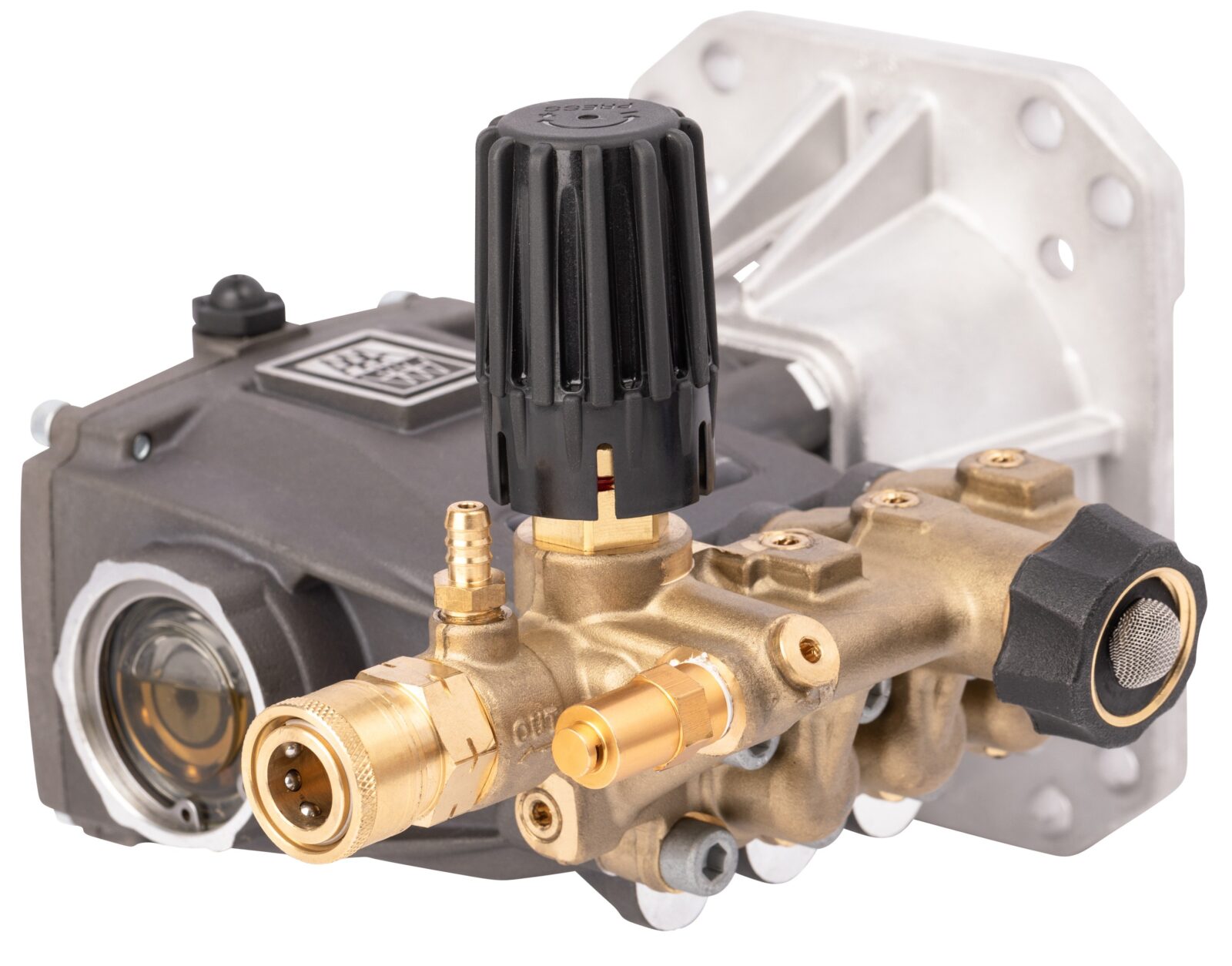
DW3635 AAA Triplex Plunger 3/4” Shaft Pump 3600 PSI 3.5 GPM


| Part Number | DW3635 |
| Brand | AAA |
| Item Weight | 18 lbs |
| Mounting Orientation | Horizontal |
| Part Type | Pressure Washer Pump |
| Max Pressure | 3600 |
| Flow Rate | 3.5 |
| Inlet Size | 3/4” Garden Hose |
| Outlet Size | 3/8” QC |
| Shaft Size | 1” |
| Bolt Pattern | SAE |
| Drive Key Size | 1-1/2” x 1/4” |
| Oil Capacity | 10 fl oz. |
The AAA DW3635 is a direct-drive horizontal triplex plunger pump rated at 3,600 PSI and 3.5 GPM at 3,400 RPM, built for gas-powered pressure washers with a 1" hollow shaft and SAE multi-point flange. Manufactured in Italy by Comet for AAA, it features a forged brass pump head, fully anodized die-cast aluminum crankcase pre-sealed and pre-filled with oil, and ceramic-coated pistons.
- Forged Brass Head with Ceramic-Coated Pistons - Brass manifold resists corrosion under continuous high-pressure use; precision ceramic-coated pistons extend seal life and reduce friction-related wear in demanding conditions.
- Oil Sight Glass with Thermal Relief Port - Advanced oil seal technology and sight glass eliminate the dipstick for fast oil level and contamination checks; 1/4" NPT thermal relief port protects the pump from heat damage during extended operation.
- Fully Adjustable Unloader Assembly - Allows on-the-fly pressure regulation via an ergonomic control handle, with a 3/8" quick-connect female discharge port and 3/4" garden hose inlet for straightforward plumbing integration.
This part is designed to work with the engine models listed above. Engine compatibility is based on shaft size, bolt pattern, and mounting orientation.
The unloader valve seat threads directly into the brass manifold and is sealed with an O-ring. Chemical corrosion or sustained pressure can deteriorate the O-ring or gradually loosen the seat from its threads. Either condition allows pressurized water to bypass the valve, reducing output to little more than standard garden hose pressure.
Remove and inspect the unloader for signs of corrosion or damage. Clean with steel wool and penetrating oil and reinstall. If issue persists, a replacement may need to be purchased.
The DW3635 uses ceramic-coated plungers with a dual water packing stack. If the engine runs with the trigger released for more than 2 minutes, heat builds inside the brass head and degrades the rubber packings. Once the seals fail, water bypasses the plungers, enters the crankcase, and mixes with the oil — damaging the internal bearings.
Drain the oil and remove the manifold. Inspect the oil seals for scoring and other damages. If damage present, replace the seals and refill with oil.
Each cylinder uses a two-stage seal stack to contain pressure around the ceramic plungers. Water inside the manifold head heats rapidly when the pump runs in bypass mode, and extended bypass operation—beyond two minutes—is enough to deform the rubber seals. Compromised seals allow water to escape through the weep holes on the underside of the pump head.
Remove the manifold, inspect the pressure seals for signs of damage and the ceramic plungers for hairline cracks. Replace the damaged components as needed.