
 🔍 Expand
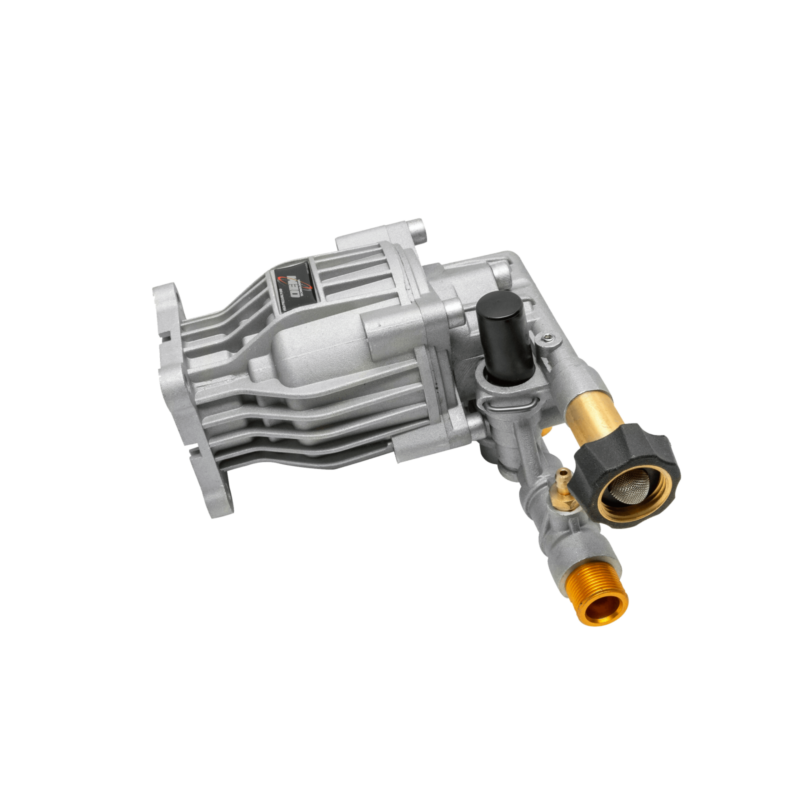
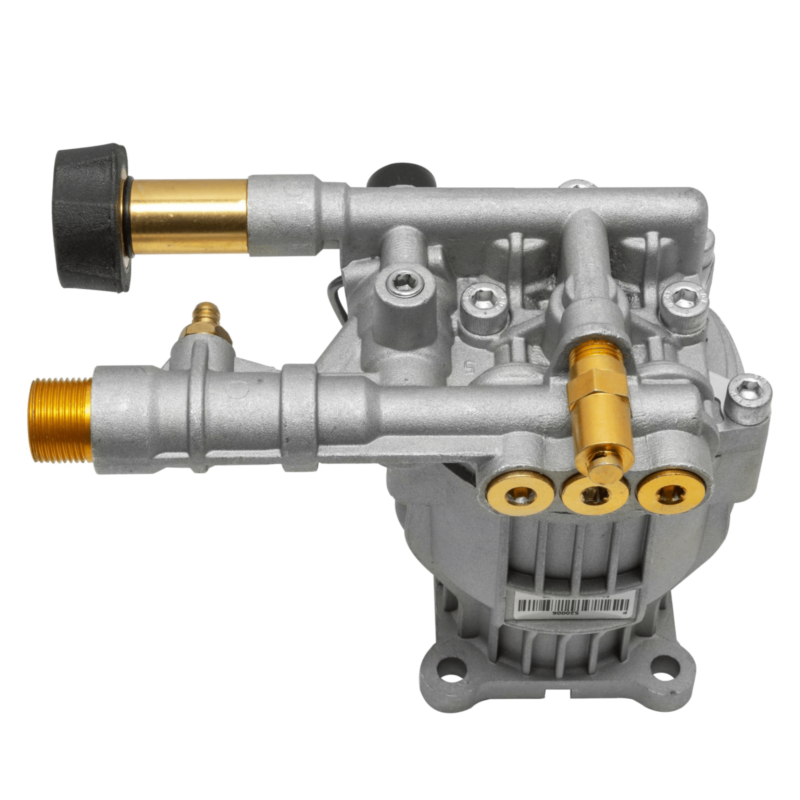
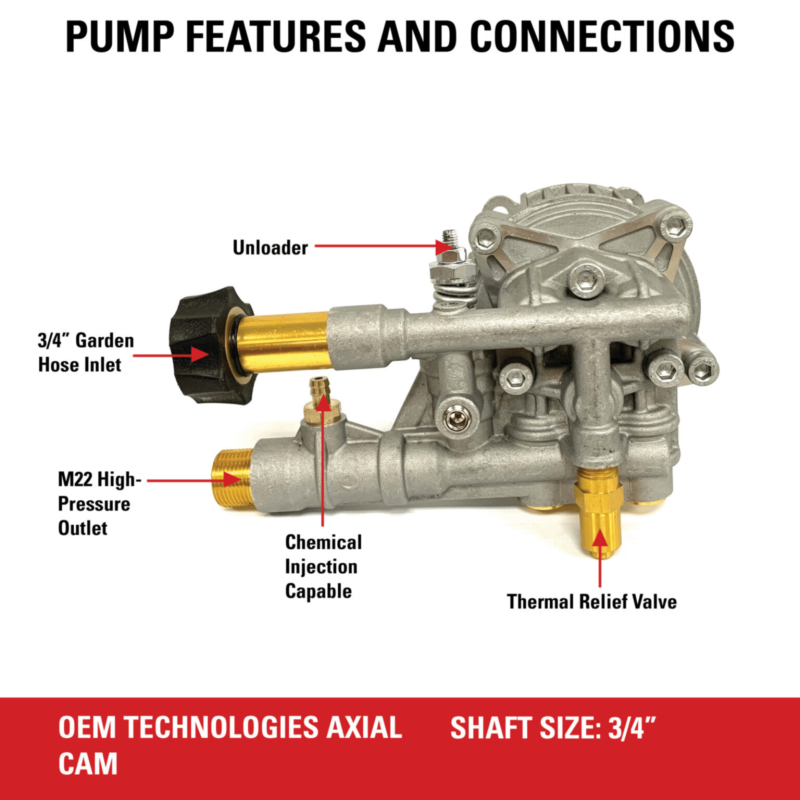
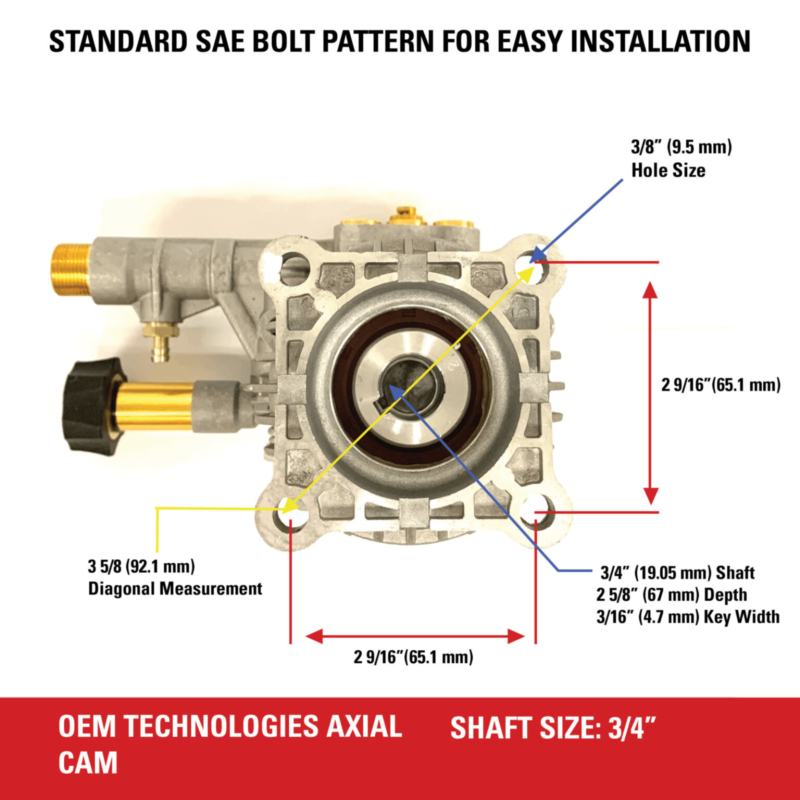
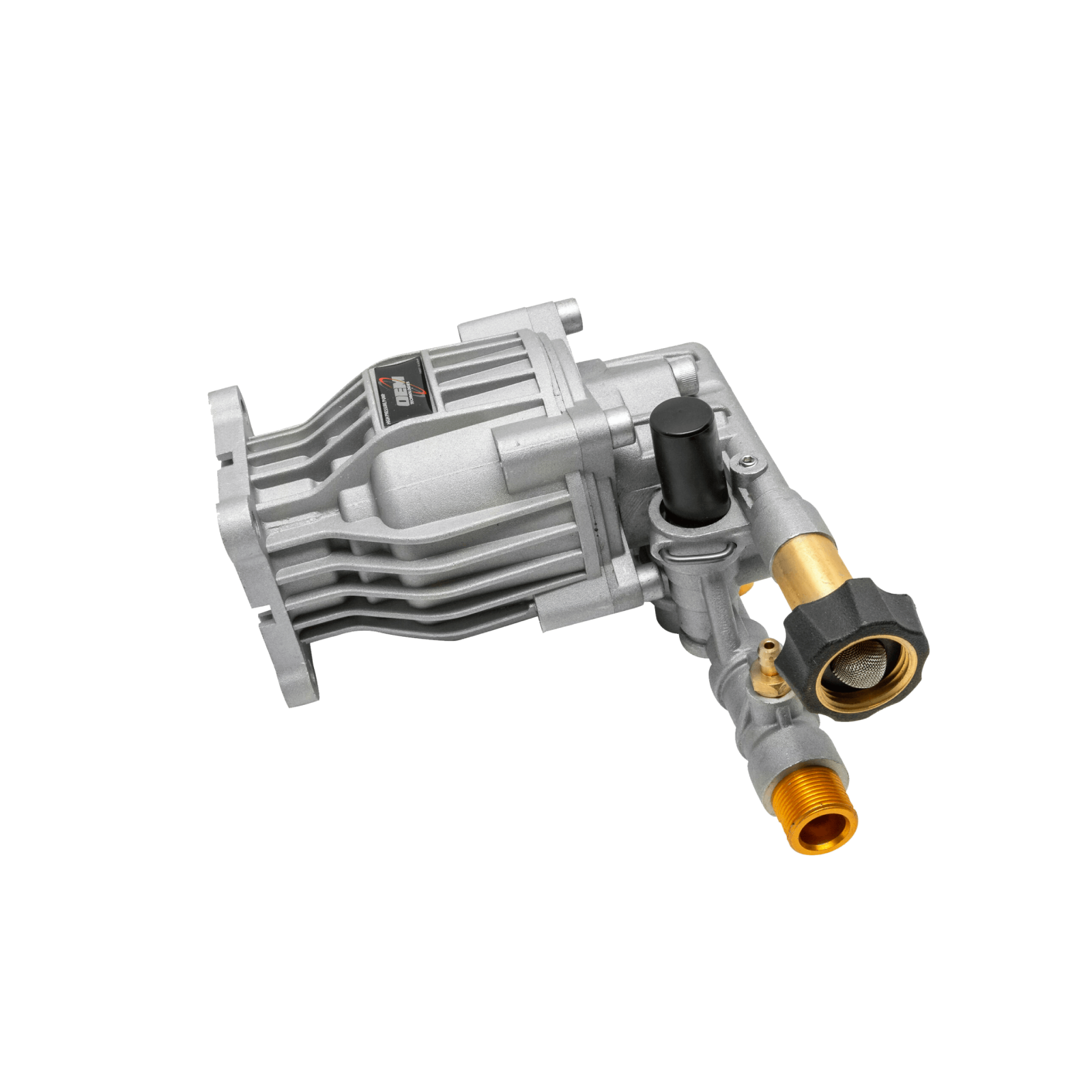
520006 OEM Technologies Axial Cam 3/4″ Shaft Pump 3300 PSI 2.4 GPM



| Part Number | 520006 |
| Brand | OEM Technologies |
| Item Weight | 6 lbs |
| Mounting Orientation | Horizontal |
| Part Type | Pressure Washer Pump |
| Max Pressure | 3300 |
| Flow Rate | 2.4 |
| Inlet Size | 3/4” Garden Hose |
| Outlet Size | M22 |
| Shaft Size | 3/4" |
| Bolt Pattern | SAE J-609A |
| Drive Key Size | 1" x 3/16" |
| Oil Capacity | 6.0 fl oz. |
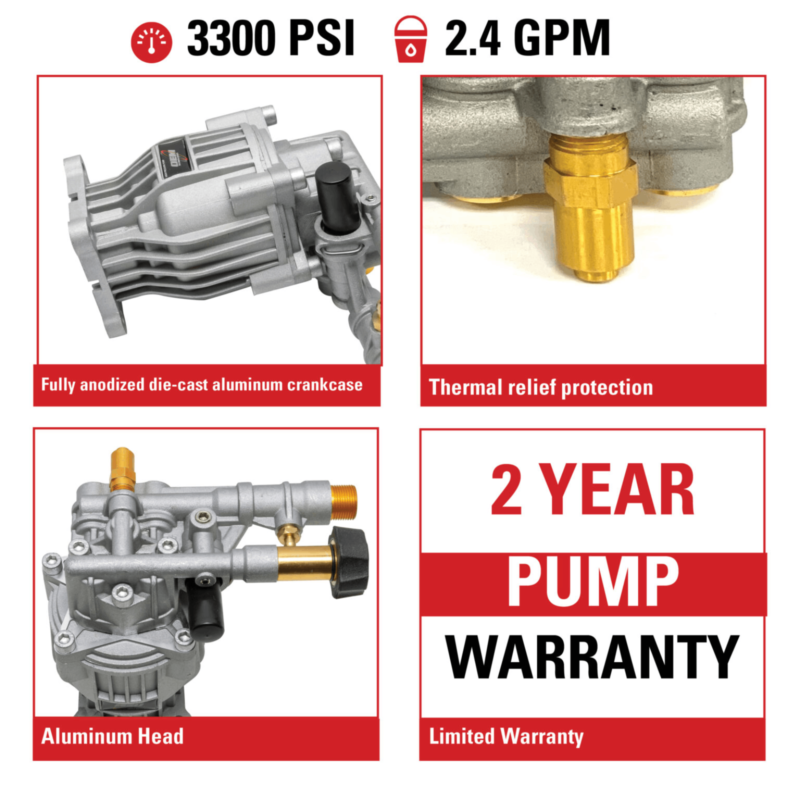
The 520006 is a horizontally mounted axial cam pump rated at 3,300 PSI and 2.4 GPM, built as a direct OEM replacement for Simpson, DeWalt, Delco, Cub Cadet, and other compatible gas pressure washers. It uses a standard 3/4" shaft with a 4-bolt SAE mounting pattern, and features stainless steel pistons paired with a maintenance free anodized aluminum crankcase for long term durability without oil changes.
- 3,300 PSI / 2.4 GPM - horizontally mounted axial cam design with 3/4" shaft
- PowerBoost Technology - stainless steel unloader with easy-start system maximizes pressure output at the nozzle
- Maintenance-free construction - stainless steel pistons, anodized die-cast aluminum crankcase, no oil changes required
Part numbers 4200006, 4200011, 520011, 90028 are other numbers used for the same product as 520006. These are alternative part numbers used to identify this product.
| Alternate Part # | Equivalent To | Status |
|---|---|---|
| 4200006 | = 520006 | Same Product |
| 4200011 | = 520006 | Same Product |
| 520011 | = 520006 | Same Product |
| 90028 | = 520006 | Same Product |
This part is designed to work with the engine models listed above. Engine compatibility is based on shaft size, bolt pattern, and mounting orientation.
The pump has a built-in pressure relief valve that vents water pressure while you're starting the engine, so the motor isn't fighting full line pressure on the first pull. If debris jams this valve shut, the pump immediately builds full pressure with enough resistance to snap the pull cord or rip the handle out of your hand.
First, hold the trigger on the spray gun and attempt to pull start. If unable, remove the unloader and clean out any build-up or debris.
The unloader valve is what allows water to recirculate inside the pump when you release the trigger; without it, pressure has nowhere to go. If the pump is not properly stored this can damage the unloader valve. When that happens and you release the trigger, pressure spikes instantly with no relief, locking up the pump and stalling the engine.
Remove and inspect the unloader for signs of damage or corrosion. It may only need to be cleaned and greased before reinserting.
Water exposure and moisture from storage causes the steel shaft and aluminum pump sleeve to corrode together over time, essentially fusing the two parts and making the pump nearly impossible to remove without damaging either component.
There are various methods to free the pump. We recommend using a quality penetrating oil directly on the shaft and let it soak for some time. Using two pry bars, apply pressure to shimmy and break the pump free and slide off of the shaft.