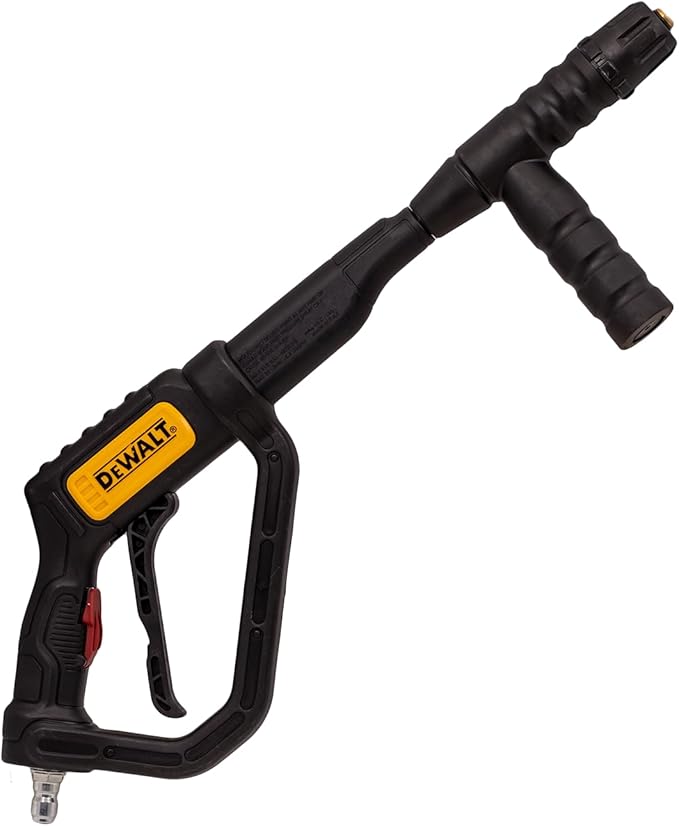
When a pressure washer spray gun fails, it is tempting to grab the first replacement on the shelf that looks right. If the threads match, it should work, right? Unfortunately, this is one of the quickest ways to accidentally destroy a high-end pump.
Choosing a replacement spray gun is not about matching plastic handles or finding the most comfortable grip. It is an exercise in understanding fluid dynamics. Every pressure washer pump is engineered around two strict metrics: Pounds per Square Inch (PSI) and Gallons per Minute (GPM). These max ratings are not suggestions, and treating them as optional will rapidly degrade your power source from the inside out.
The Myth of “One Size Fits All”
Many view the spray gun simply as an on-off switch for water. In reality, the gun is a vital extension of the pump’s hydraulic system.
When a pump is rated for 4,000 PSI and 4.0 GPM, it expects to push no more than that volume of water or that specific resistance. If you attach a spray gun rated for only 3,000 PSI or 3.0 GPM, you create an immediate choke point in the system.
Fluid dynamics dictate that forcing a high volume of liquid through a restricted orifice creates backpressure. Instead of the water flowing freely out of the nozzle, it meets resistance inside the gun itself. This restriction alters the behavior of the water before it ever reaches the spray nozzle, throwing the entire machine out of balance.
What Happens Inside the Pump When Flow Is Restricted?
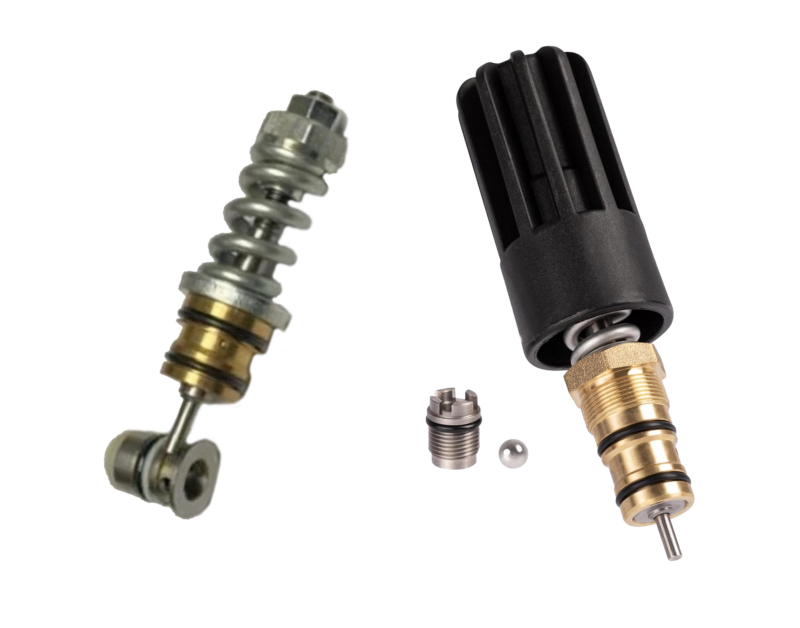
To understand why restriction kills pumps, you have to look at the internal components. We will use a triplex plunger pump as an example. When a restricted spray gun forces water back toward the power source, two main components bear the brunt of the damage: the unloader valve and the internal check valves.
1. Chronic Unloader Cycling
The unloader valve acts as the safety regulator for the system. When you release the trigger, the unloader senses the spike in pressure and diverts the water into a bypass loop, circulating it safely within the pump head or back to a feed tank.
However, if your spray gun restricts flow while you are actively squeezing the trigger, the unloader valve gets confused. It senses the artificial pressure spike caused by the gun’s restriction and starts opening prematurely. This causes the unloader to cycle rapidly between bypass mode and full pressure mode. This constant hammering causes wear on the unloader’s internal springs, seats, and O-rings, eventually causing the valve to fail entirely.
2. Check Valve Flutter and Destruction
Inside the manifold of a high-pressure pump, you will find a series of small, spring-loaded check valves (typically three inlet valves and three discharge valves). These valves ensure that water moves in only one direction.
When a spray gun restricts flow, it creates shockwaves that travel backward through the high-pressure hose and into the pump manifold. Instead of opening and closing smoothly with each stroke of the plungers, the check valves begin to “flutter.”
This high-frequency bouncing destroys the delicate plastic cages and stainless steel seats of the check valves. Once a check valve is cracked or warped, water begins to leak backward into the low-pressure side of the pump. You will notice a sudden loss of operational pressure, pulsation, and eventually, total pump failure.
How to Correctly Match a Gun to Your Machine
To protect your equipment, your spray gun must always meet or exceed the maximum capabilities of your pressure washer. Use this simple guide to ensure a perfect match:
| Machine Specification | Required Spray Gun Rating | Why it Matters |
|---|---|---|
| Max PSI | Must be equal to or higher than the pump’s max PSI. | Prevents structural failure, internal valve leaks, and potential safety hazards from a bursting housing. |
| Max GPM | Must be equal to or higher than the pump’s max volume. | Ensures the pump can discharge its full volume without creating restrictive backpressure. |
| Max Temperature | Must match your power source (Cold vs. Hot water). | Hot water machines can exceed 200 °F, this would melt most plastic cold water spray guns typically rated for 140 °F. |
Pro Tip: If you run a 3,500 PSI, 4.0 GPM hot water machine, look for a gun rated for at least 4,000 PSI and 5.0 GPM, with a temperature rating of 300°F or higher. Giving yourself a safety buffer ensures the gun never becomes the limiting factor or the point of failure.
Final Thoughts
Investing in a heavy duty commercial pump means nothing if you choke its performance at the finish line. When shopping for a replacement spray gun, bypass the generic options and look directly at the spec sheet. Matching the specifications of your accessories to your power source is the cheapest insurance policy you can buy for your equipment.