When shopping for a pressure washer, most buyers focus entirely on two headline numbers: PSI and GPM. They compare horsepower, engine brands, and price tags, unknowingly ignoring the single piece of metal that holds all the value of the pressure washer: the pump manifold.
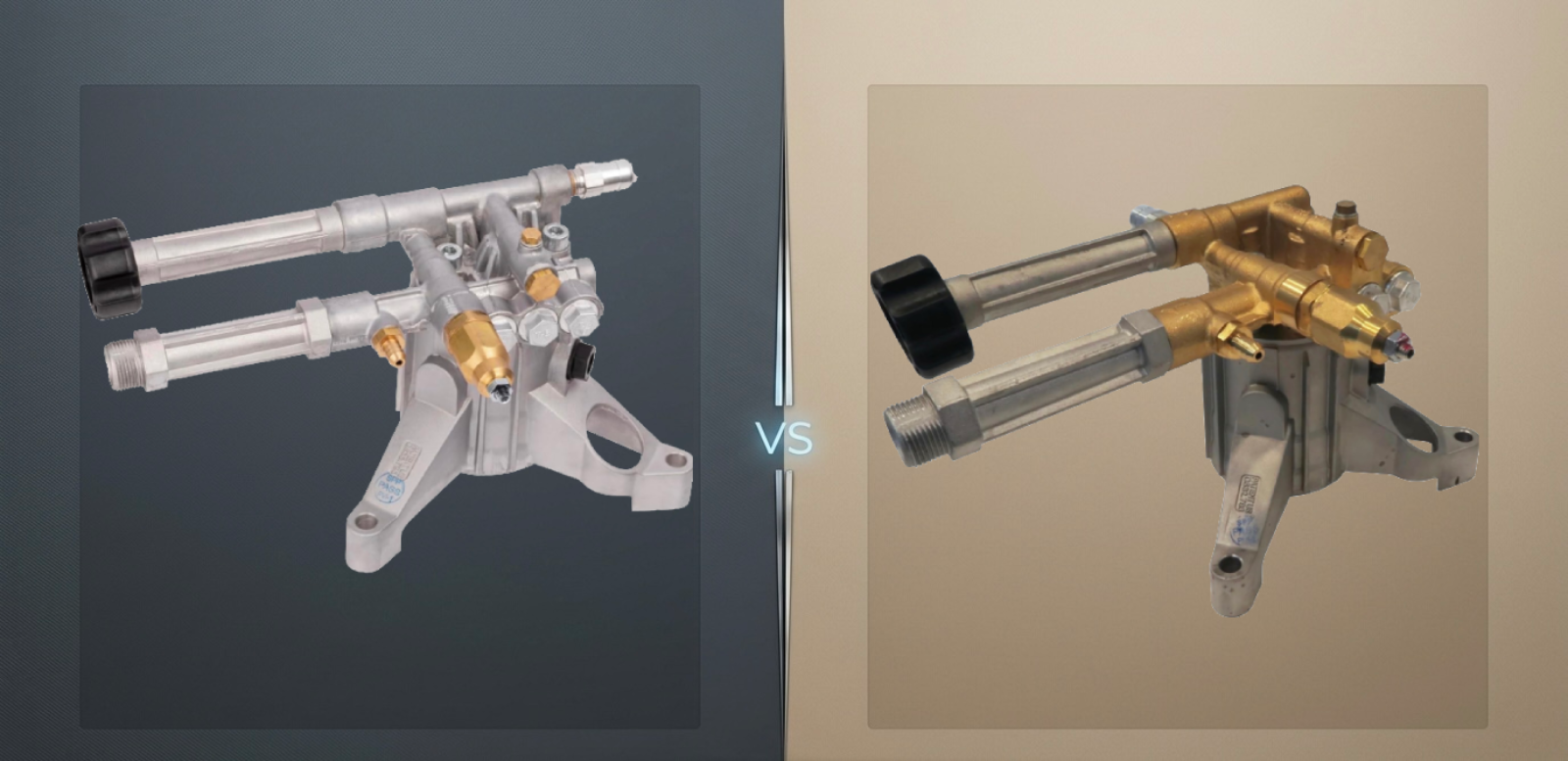
The manifold is the heavy block of metal sitting at the front of your pump. It houses the check valves, seals, unloader valve, and water passages. Every single drop of pressurized water passes through it. If the manifold fails, the pump won’t operate. While professional grade machines almost universally feature forged brass manifolds, entry-level and residential models rely heavily on cast aluminum. Understanding the structural differences between these two metals is the difference between buying a lifelong tool and buying a disposable piece of equipment.
The Chemistry of Disposable: Why Aluminum Heads Fail Prematurely
Aluminum is a cheap, lightweight, and easy to cast material, making it highly attractive for manufacturing budget-friendly machines. However, under the intense stress of high-pressure water production, aluminum faces critical structural vulnerabilities.
1. Galvanic and Chemical Corrosion
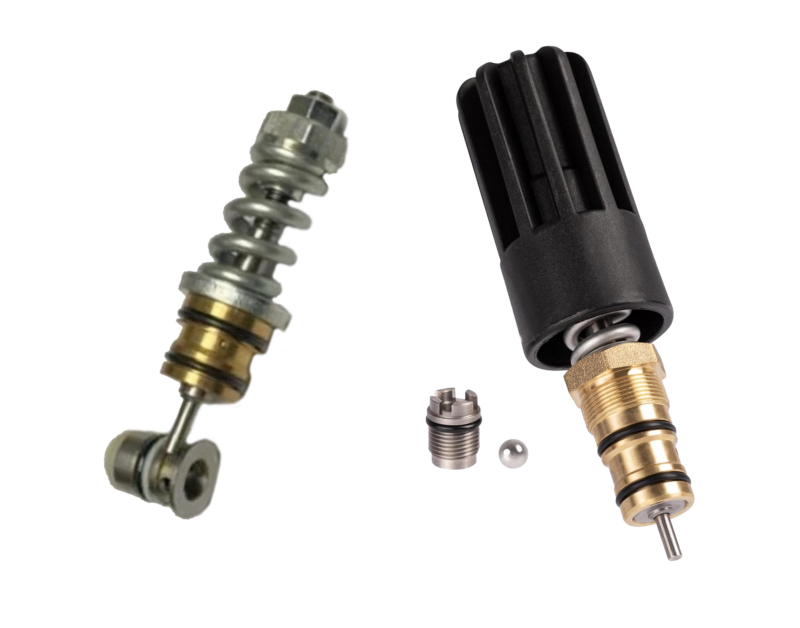
Water is rarely pure. Whether you are running municipal tap water or hard well water, minerals and chlorine are constantly introduced to the pump. Aluminum reacts poorly to these elements. More importantly, pressure washer pumps use stainless steel internal components, such as check valve springs and plungers, that sit directly inside the aluminum housing.
When two dissimilar metals meet in the presence of water, it triggers galvanic corrosion. The aluminum acts as a sacrificial anode, meaning it literally eats itself away from the inside out. Forged brass, on the other hand, is highly resistant to this chemical reaction and more tolerant to hard water, minerals, and harsh detergents without pitting.
2. Cavitation and Erosion
Inside a pump head, water is compressed and moved at extreme velocities. If the pump starves for water even slightly, tiny vacuum bubbles form and collapse against the manifold walls. This process is called cavitation. Because aluminum is a relatively soft metal, these micro-implosions pit and erode the internal water channels over time. Forged brass is significantly denser and harder, allowing it to withstand cavitation shockwaves without losing structural integrity.
3. Thermal Cracking
Pressure washer pumps generate substantial heat during operation, especially if the machine is left in bypass mode (running with the trigger released) for more than a minute or two. Aluminum expands and contracts rapidly when exposed to temperature spikes. This constant thermal cycling causes the metal to fatigue, frequently resulting in hairline fractures across the manifold causing instant damage to the pump’s ability to hold pressure.
The Dollar-for-Dollar Breakdown: Is Brass Worth the Premium?
Machines equipped with forged brass manifolds typically carry a 40% to 60% price premium over their aluminum counterparts. Deciding whether that cost is justified depends entirely on your operational frequency.
| Feature | Cast Aluminum Manifold | Forged Brass Manifold |
|---|---|---|
| Average Lifespan | 50 to 150 operational hours | 500 to 3,000+ operational hours |
| Cost Tier | Budget / Entry-level | Premium / Commercial-grade |
| Chemical Tolerance | Poor (Sensitive to bleach and scale) | Excellent (Higher corrosion resistance) |
| Best Suited For | Occasional residential use (1 to 3 times a year) | Frequent home use, property maintenance, or daily commercial work |
If you are a homeowner who only pulls the pressure washer out three times a year to clean a deck and wash the driveway, an aluminum pump will likely last you several seasons, provided you winterize it properly. However, if you use the machine bi-weekly, wash commercial equipment, or run downstream chemicals frequently, the aluminum manifold will fail long before the engine does, wiping out any upfront savings.
The Repairability Threshold: Rebuildable vs. Disposable
The final, often overlooked difference between these metals is what happens when something goes wrong.
Forged brass pumps are designed as modular, industrial systems. If a check valve seat wears out or a high-pressure seal begins to leak, you can easily purchase a rebuild kit, swap out the internal components, and restore the pump to peak performance. The brass manifold itself acts as a permanent housing that rarely needs replacement.
Aluminum pumps will require more frequent repairs than their brass counterparts. Because the metal is soft, once internal pitting or chemical erosion occurs inside an aluminum head, there is no smooth surface left for new seals to seat against. Many times you cannot successfully rebuild a pitted aluminum manifold; your only option is to discard and buy a new manifold.
Pro Tip: If you do own an aluminum manifold pump, never leave water sitting inside it during the off-season. Always flush the system with a dedicated pump saver lubricant and anti-freeze solution. This coats the vulnerable aluminum walls and minimizes the oxidation that ruins these pumps during storage.
Final Thoughts
A pressure washer is only as durable as the metal holding back the pressure. While aluminum serves its purpose for low-cost, ultra-light residential cleaning, it represents a strict shelf-life. If you want a machine that can be repaired rather than replaced, look past the engine stickers and ensure the manifold is made of solid, forged brass.